Grounding & Earthing: The Complete Guide
Grounding (or "earthing") products connect your body to the Earth's electrical potential through a conductive mat, sheet, or pad plugged into the ground port of a wall outlet. The theory: physical contact with the planet's electron supply may reduce inflammation, improve sleep, and lower nighttime cortisol.
The evidence base is mixed but growing — small clinical trials show improvements in sleep latency and inflammation markers; large RCTs do not yet exist. The downside risk is essentially zero (it is a passive wire to dirt), and many users report better sleep within a week.
Start here
Best Grounding & Earthing Products
Ranked mats and sheets with retailer prices compared side by side.
Top grounding we track
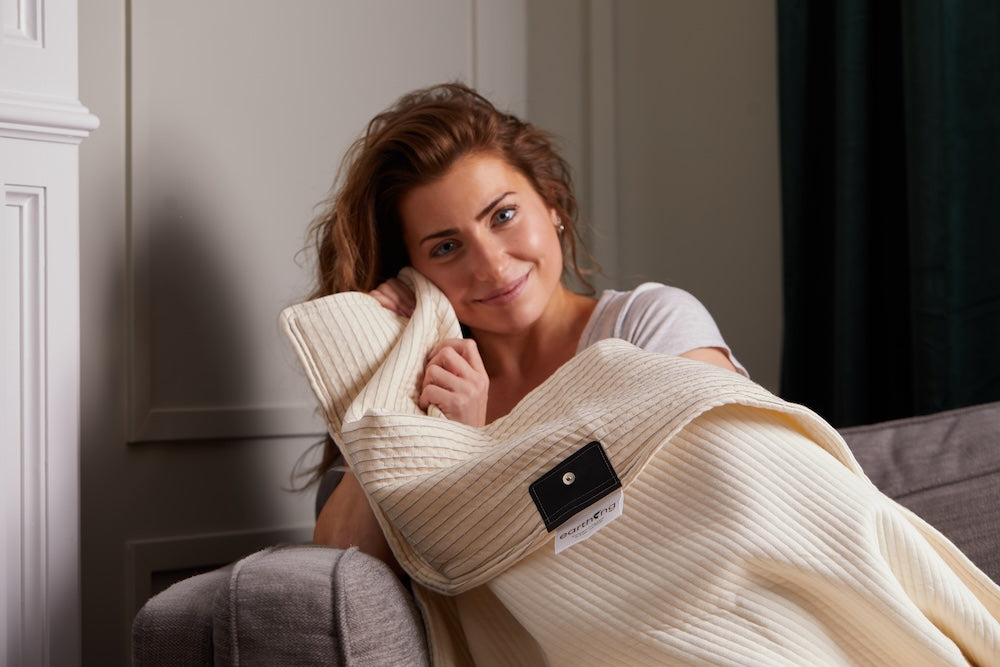


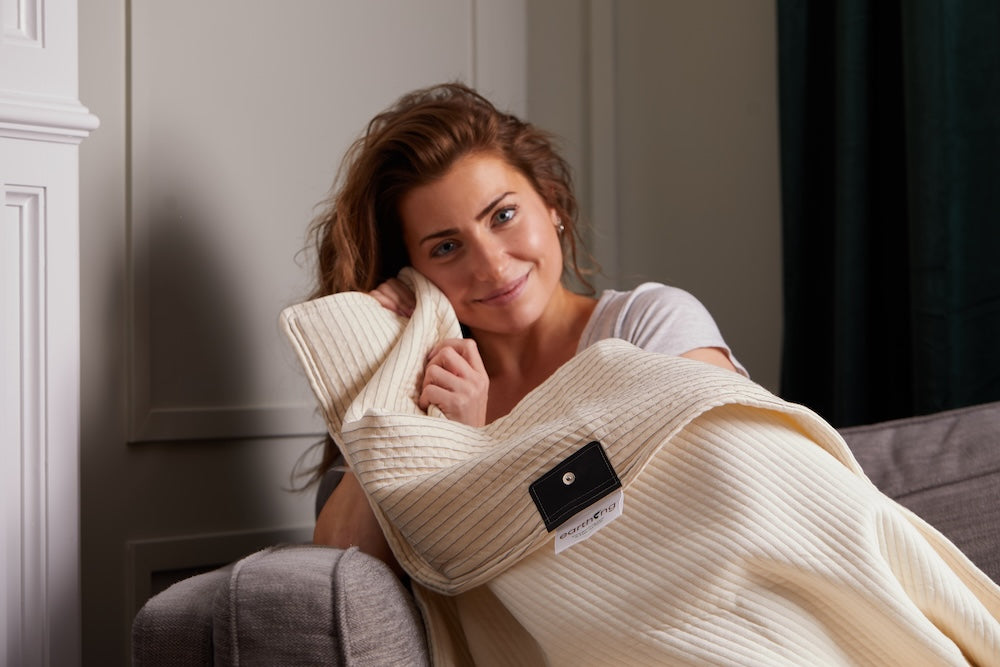
Build the rest of your setup
Frequently asked questions
How does a grounding sheet actually work?
The sheet contains conductive carbon or silver fiber. A cord runs from the sheet to the ground port of any 3-prong wall outlet, which connects to a copper rod driven into the earth outside. Skin contact completes a circuit, equalizing your body voltage with the Earth.
Is grounding supported by science?
Small studies (Chevalier, Sinatra, Brown) show improvements in HRV, sleep quality, and inflammation markers like CRP. The mechanism is plausible but not fully proven, and no large RCTs exist yet. At $50–200 for a sheet, it is a cheap experiment to test.
Do I need an outdoor ground rod or does the wall outlet work?
The wall outlet works in any properly grounded home (US homes built after 1970 generally qualify). The mats include an outlet tester. If your outlet is not grounded, you can connect the cord directly to a separate ground rod outside.
Sheet vs mat vs universal pad?
Start with a universal mat ($50–60) under your desk or feet, lowest commitment. If you notice a difference, step up to a Queen-size grounding sheet for nightly use. A sleep mat goes between the fitted sheet and mattress for the largest contact area.