Red Light Therapy: The Complete Guide
Red light therapy (photobiomodulation) uses red and near-infrared wavelengths to stimulate the mitochondria in your cells. The best-studied benefits are for skin, collagen, and muscle recovery, and the device market now spans $279 targeted panels to $1,800 full-body towers and $350–460 LED face masks.
This hub ties the cluster together: where the research stands, how to read the specs that matter, and our ranked, price-tracked picks for panels and masks.
Start here
Best Red Light Therapy Panels
Ranked panel picks with retailer prices compared side by side.
Best Red Light Therapy Masks
The same, for LED face masks.
Red Light Panel Buyer's Guide
Irradiance, wavelengths, and price tiers explained.
Panel vs Mask vs Mat
Which device type fits your goal.
Does It Work for Skin?
What the clinical evidence shows for collagen and wrinkles.
Red Light for Muscle Recovery
The research on recovery and performance.
Top red light therapy we track


Build the rest of your setup
Frequently asked questions
Does red light therapy actually work?
The strongest evidence is for skin (collagen, fine lines, wound healing) and, to a lesser degree, muscle recovery and joint pain. The mechanism — red and near-infrared light absorbed by cytochrome c oxidase to boost cellular energy — is well characterized. Effects are real but modest and require consistent use; be skeptical of cure-all marketing.
What wavelengths matter?
660nm red (surface, skin) and 850nm near-infrared (deeper, muscle and joint) are the two best-studied wavelengths. A good general-purpose device emits both. Single-wavelength devices are cheaper but less versatile.
Panel, mask, or mat?
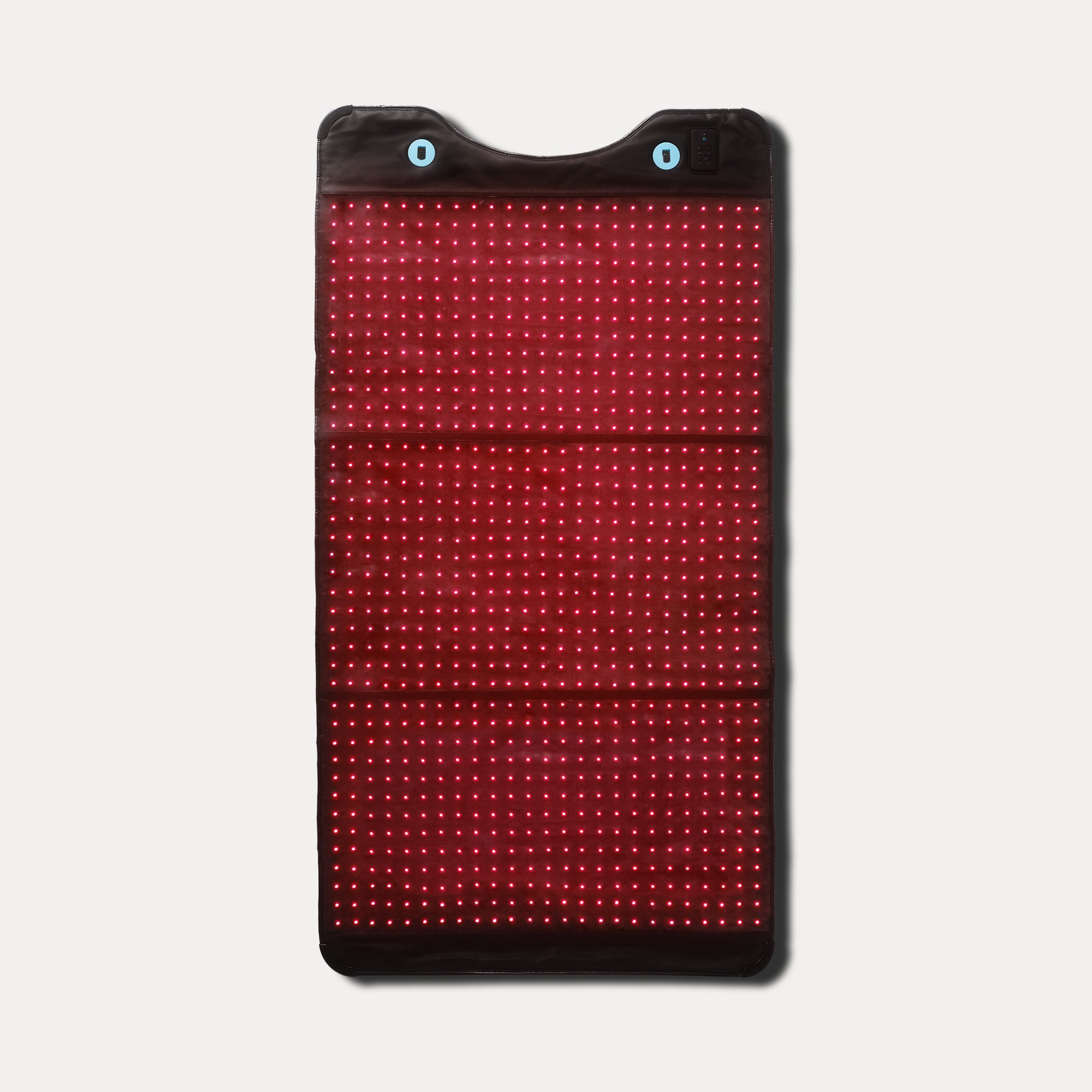
A panel or tower treats large areas and the whole body; a mask targets the face for skin goals; a mat wraps a joint or the back. Many people start targeted (mask or small panel) and expand. See our panel-vs-mask guide for the decision.