Infrared Saunas: The Complete Guide
A home infrared sauna is one of the highest-cost wellness purchases most people make, from about $1,900 for a compact cabin to over $7,500 for a full-spectrum flagship. "Infrared sauna" covers three different heater types (near, mid, far), portable one-person units, and full cabins.
This hub covers how infrared saunas differ from traditional saunas, the four specs that decide quality, and our ranked, price-tracked cabin picks.
Start here
Best Infrared Saunas
Ranked cabin picks with retailer prices compared side by side.
Top infrared saunas we track
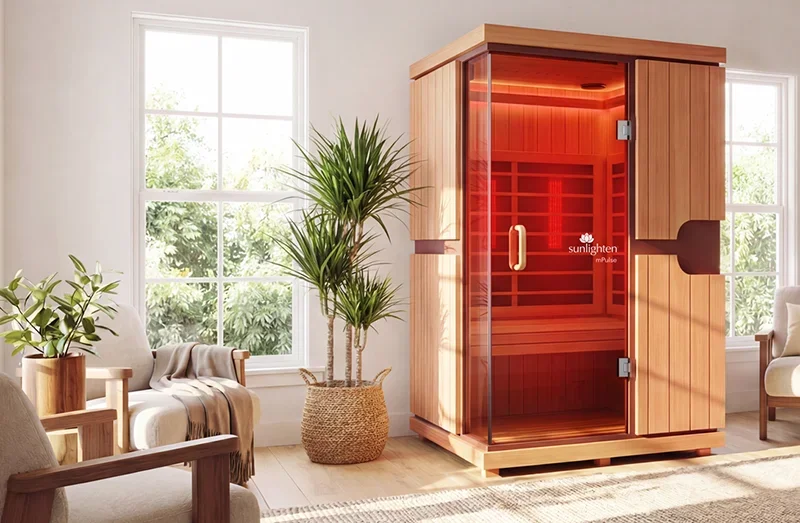
Sunlighten mPulse Believe
From
$7,499
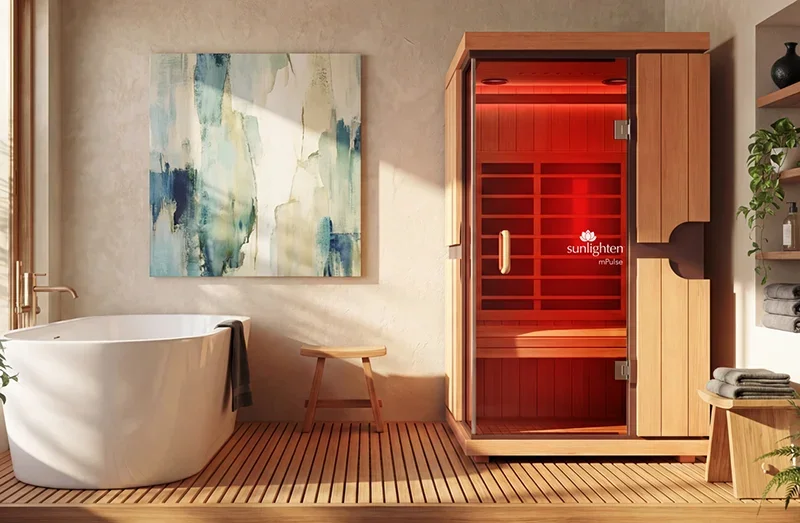
Sunlighten mPulse Aspire
From
$5,499
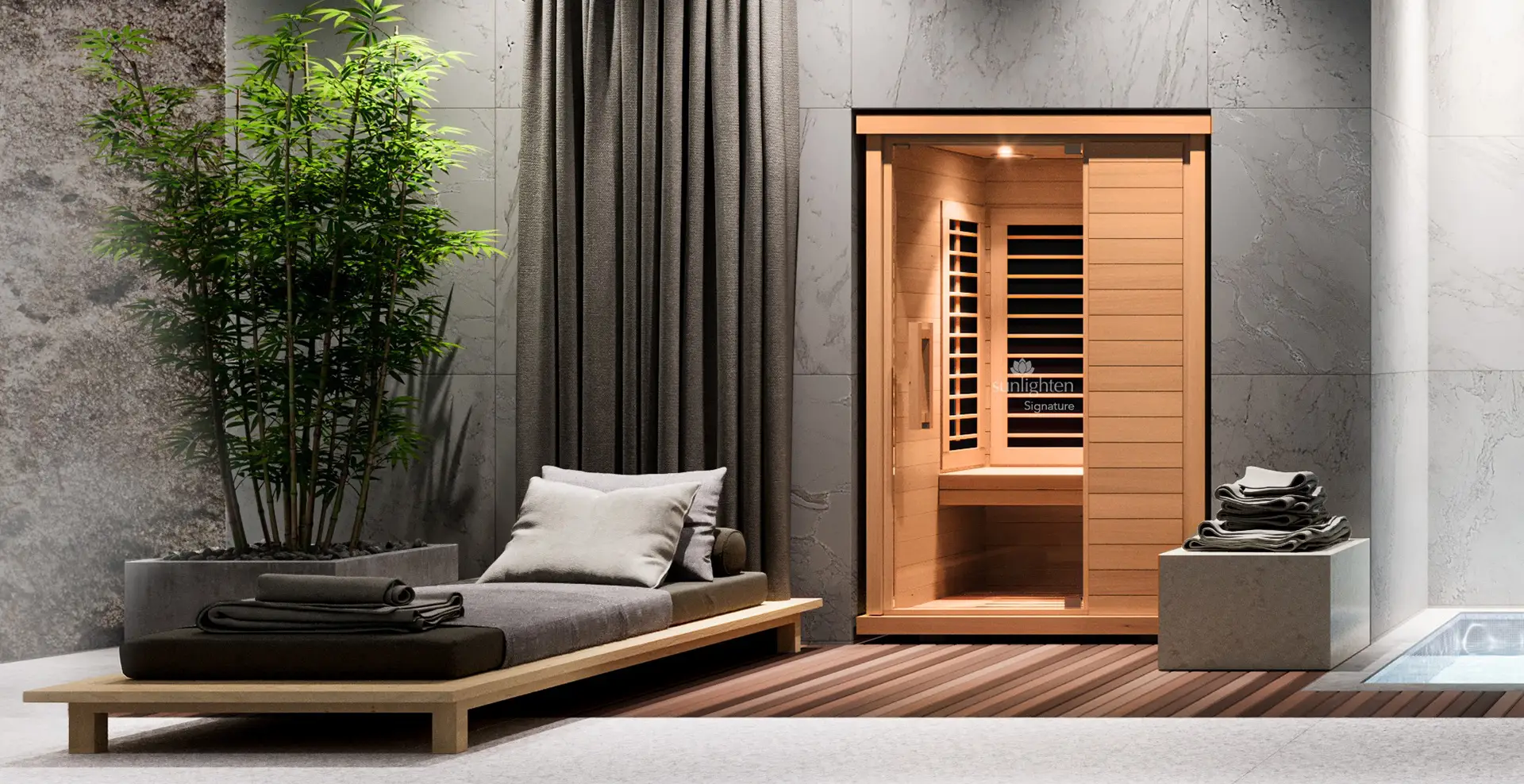
Sunlighten Signature II Far Infrared Sauna
From
$4,999
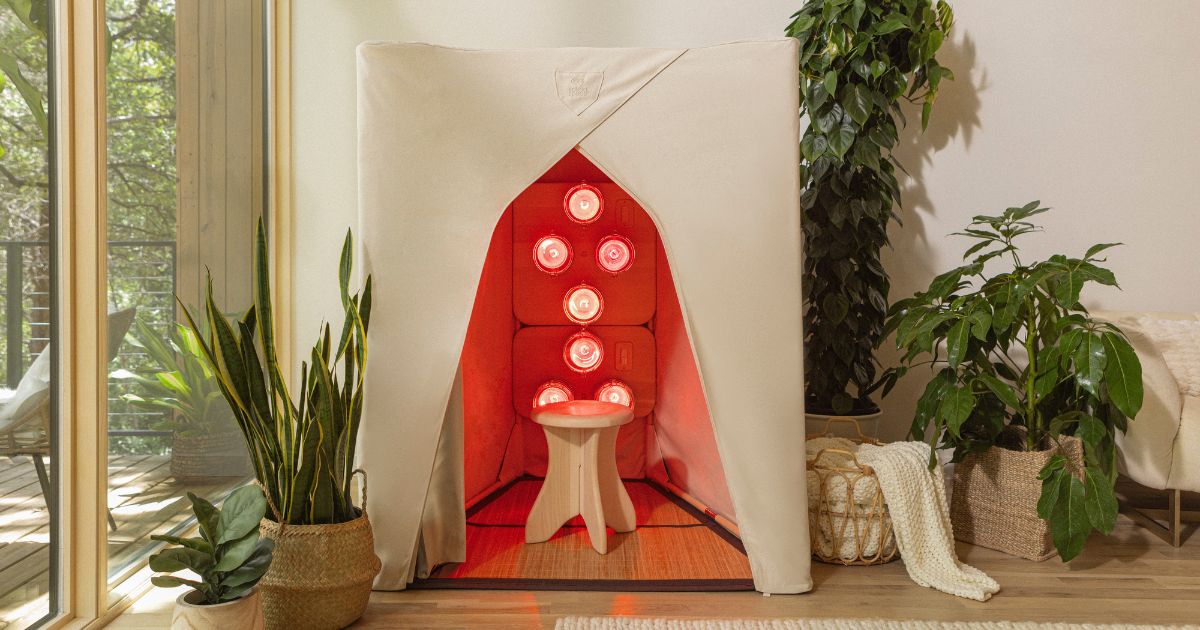
SaunaSpace Photon 3 Near-Infrared Sauna
From
$4,250
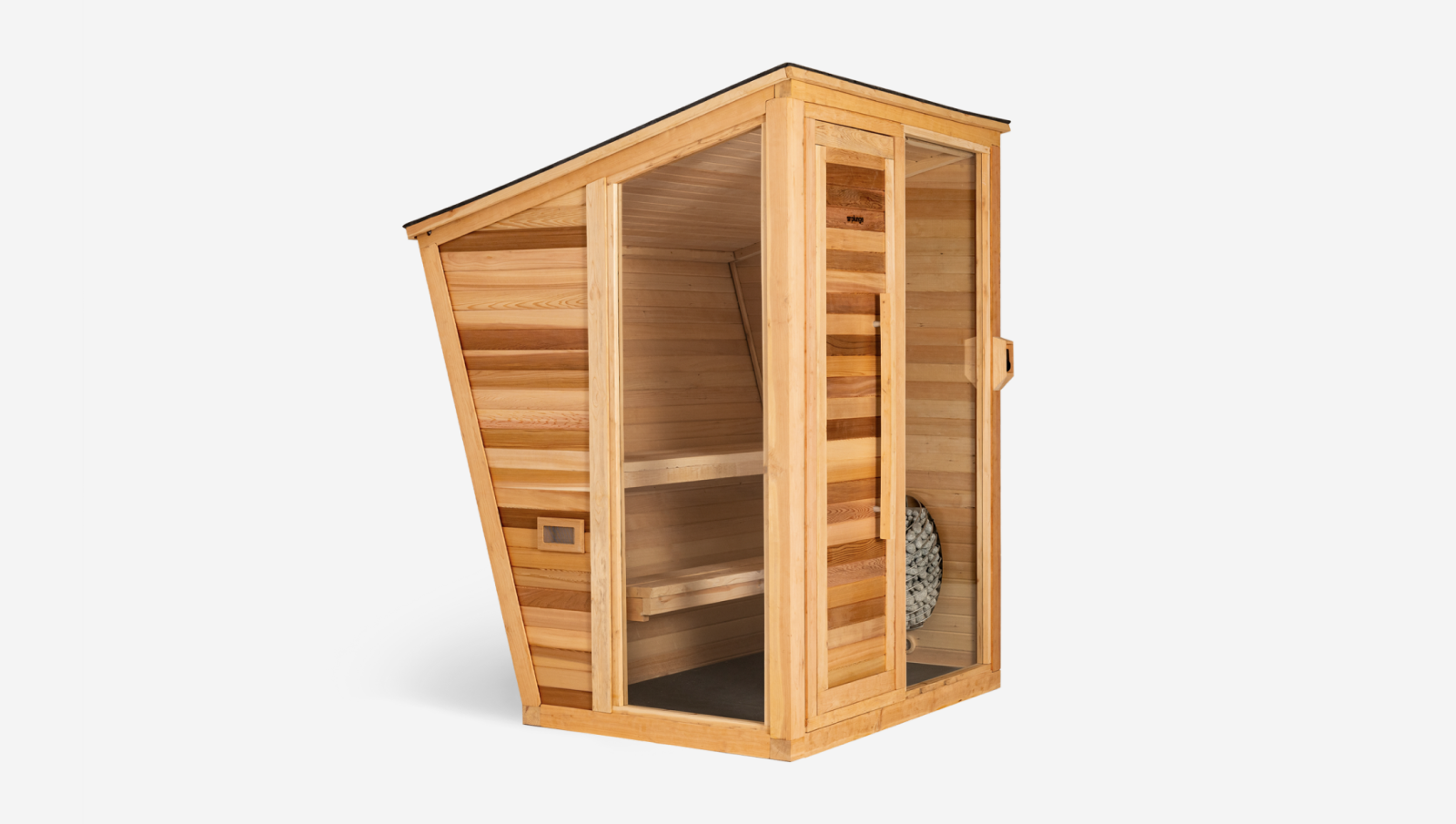
Plunge Indoor Sauna
From
$12,990
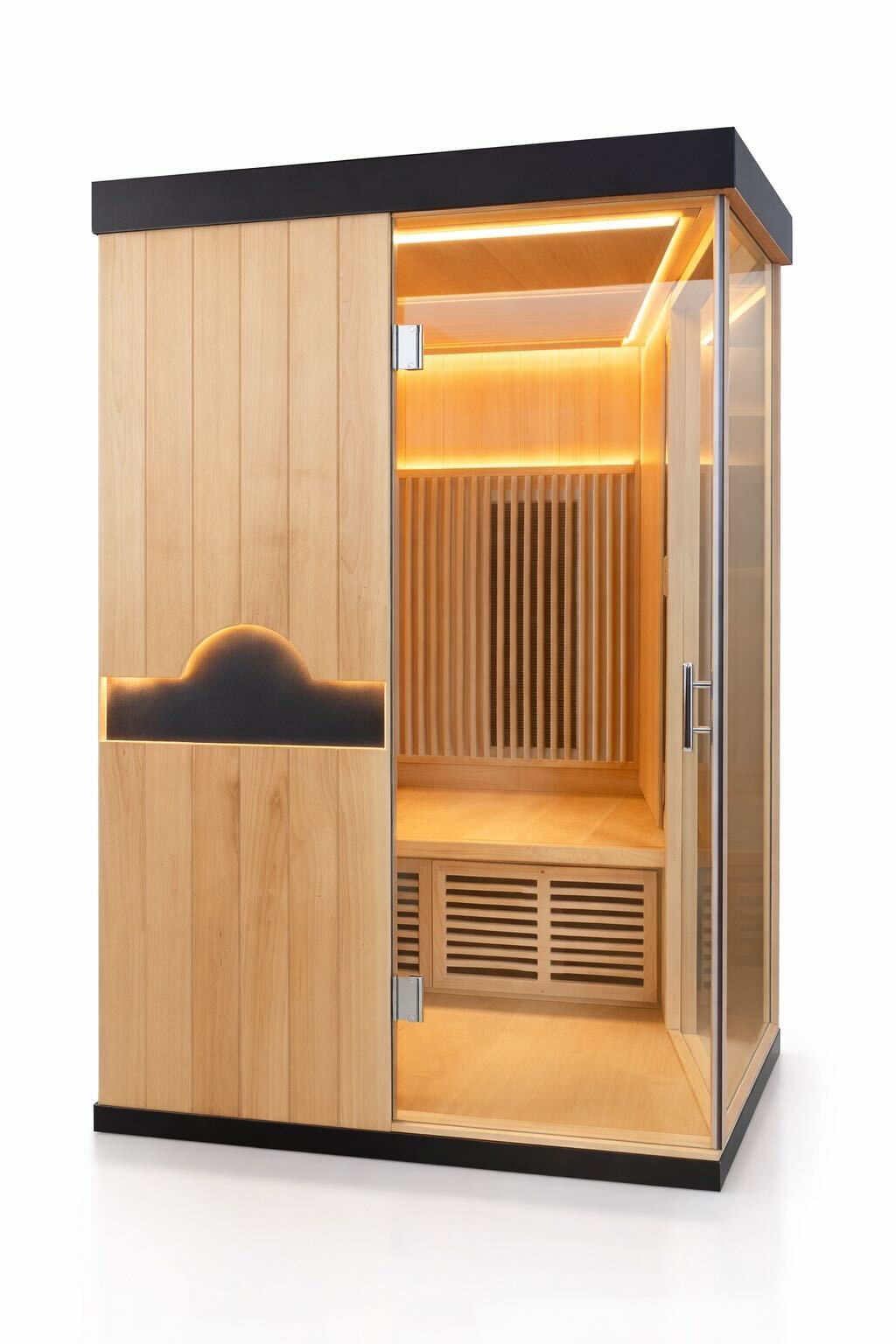
WarriorSun Premium Smart Infrared Sauna with App Control
From
See price
Build the rest of your setup
Frequently asked questions
Near, mid, or far infrared?
Far infrared heats the body efficiently for a deep sweat and is the most common type. Mid and near infrared are marketed for circulation and skin. Full-spectrum cabins cover all three and cost the most; for pure sweating, far infrared alone is enough and cheaper.
Why does EMF matter?
You sit inches from the heaters for 30–45 minutes, and cheap heaters can emit elevated electromagnetic fields. Quality brands publish low-EMF ratings (often under 3 mG at the body). No disclosed EMF numbers is a red flag.
How is an infrared sauna different from a traditional sauna?
A traditional sauna heats the air (often 150–195°F) to warm you; an infrared sauna uses light to warm your body directly at a lower air temperature (120–150°F), which many people find more tolerable. See our red light vs infrared sauna explainer for the full comparison.