Massage Chairs
A modern massage chair is not the upholstered vibration recliner from the 1990s. The current generation runs 4D rollers (movement on four axes) along an L-track that curls from the back of your neck down to the glutes, with body-scan that maps your spine before each session. The good ones genuinely substitute for a weekly massage.
Below is the short list: five chairs spanning $3,500 (Infinity entry-level) to $10,000 (Synca, Daiwa, Osaki flagships).
Best Massage Chairs of 2026
Our ranked picks with retailer prices compared side by side.
Showing 6 products
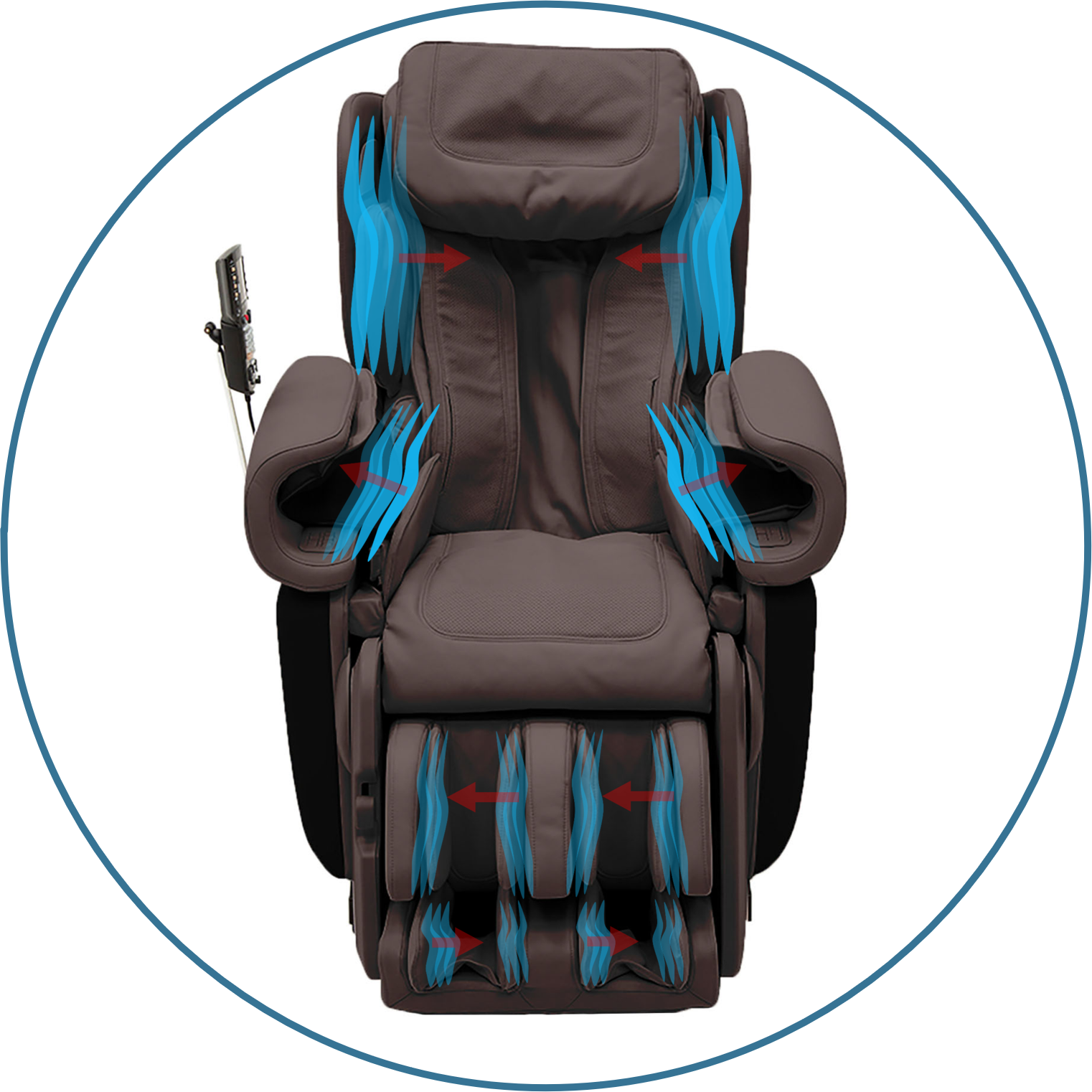
Synca Kagra 4D Massage Chair
Synca
4D L-Track Massage Chair • Heated rollers, zero-gravity, body scan
Best Price
$5,999.99
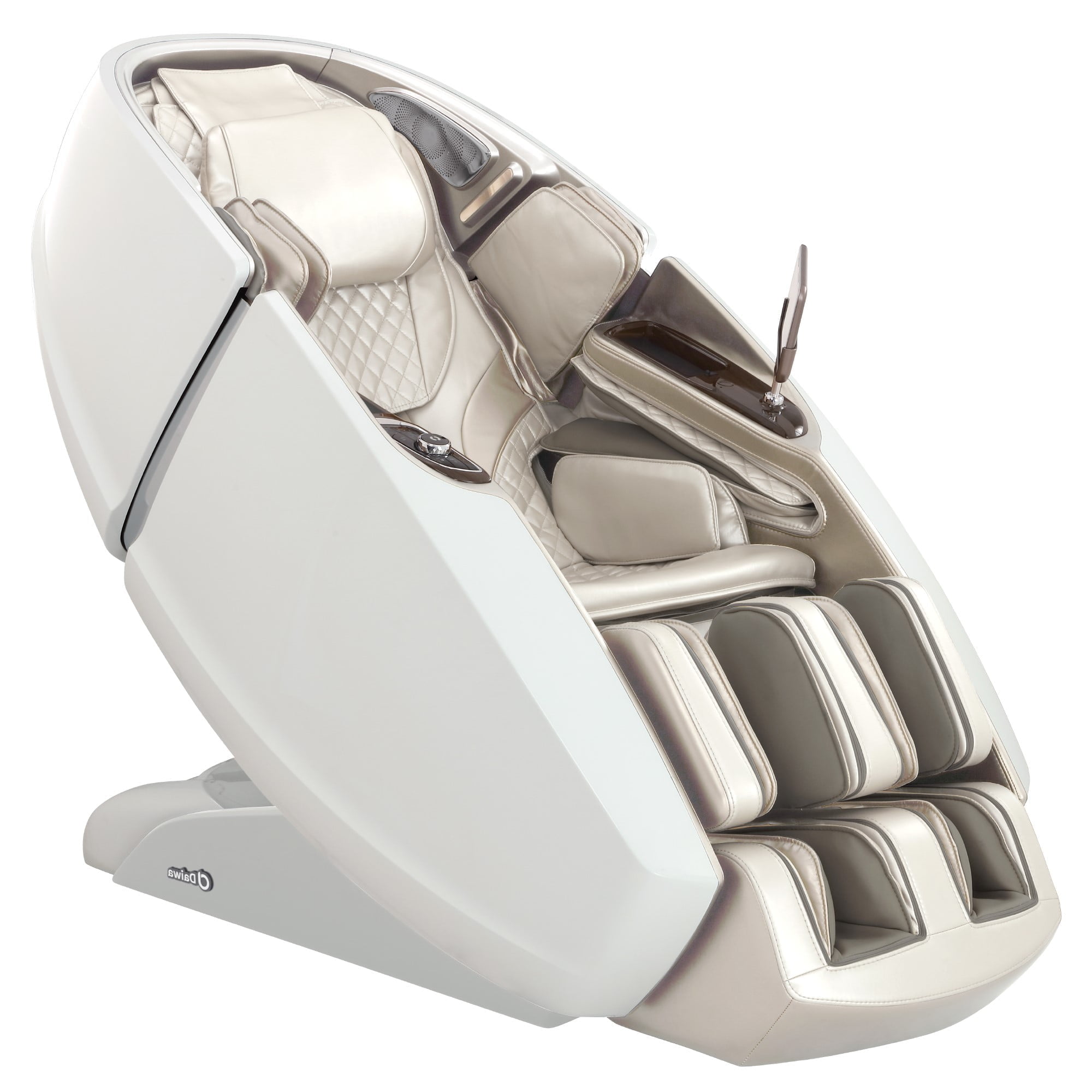
Daiwa Supreme Hybrid Massage Chair
Daiwa
4D Hybrid L+S Track • Knee massage, heated rollers, ergonomic stretch
Best Price
$9,999

Osaki OS-Pro Maestro LE 2.0 Massage Chair
Osaki
4D SL-Track Massage Chair • 5 sensor body scan, calf kneading, heat
Best Price
$7,999
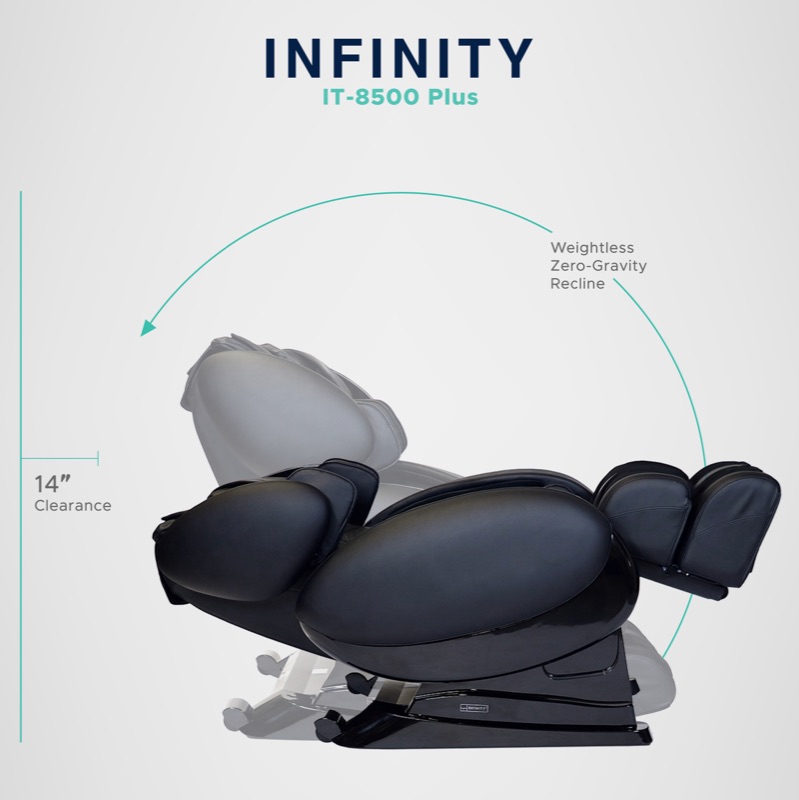
Infinity IT-8500 Plus Massage Chair
Infinity
3D S-Track Massage Chair • Body scan, zero-gravity, heated lumbar
Best Price
$3,599
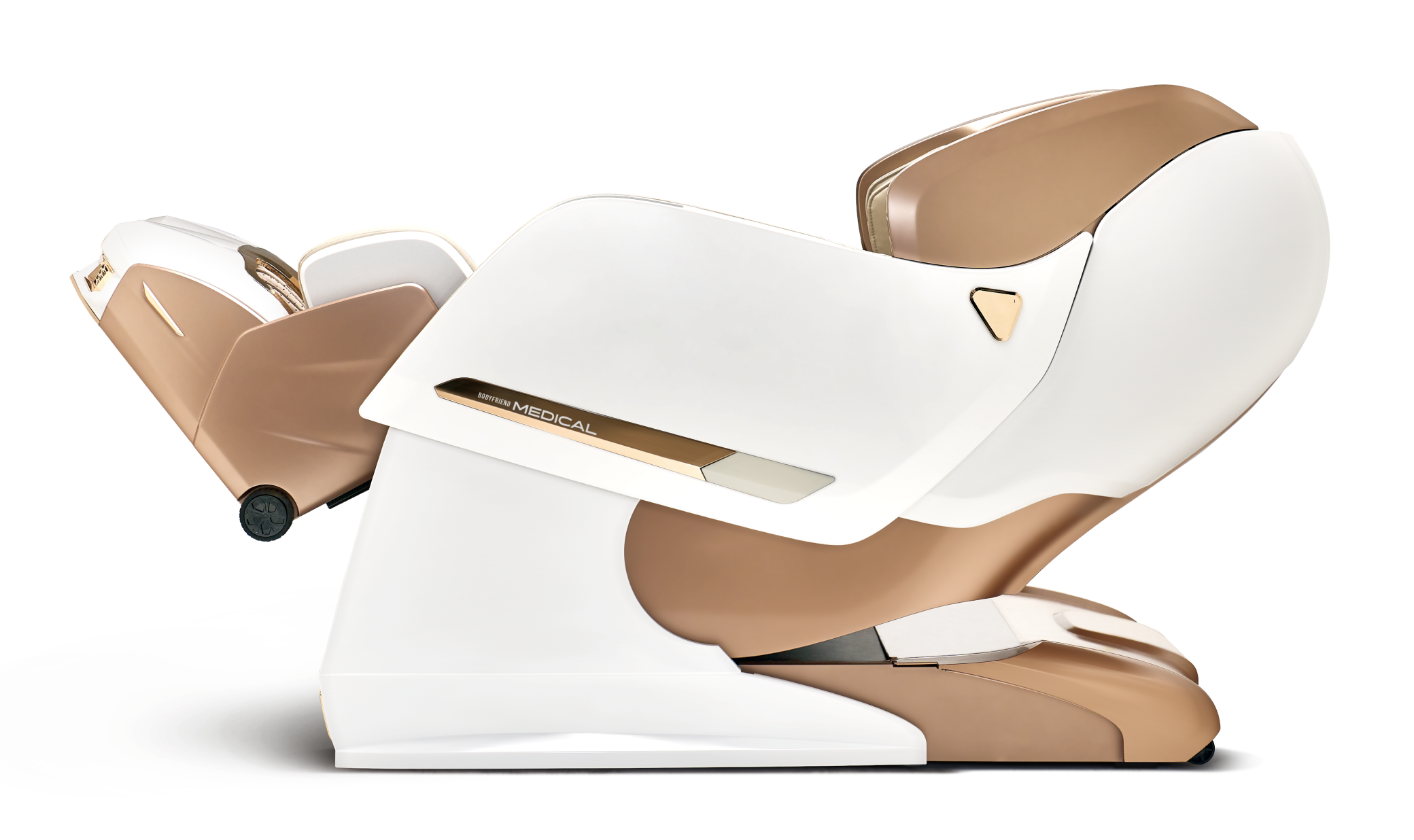
Bodyfriend Phantom Medical Care 2
Bodyfriend
Medical-grade Massage Chair • FDA Class II Medical Device
Best Price
$8,100
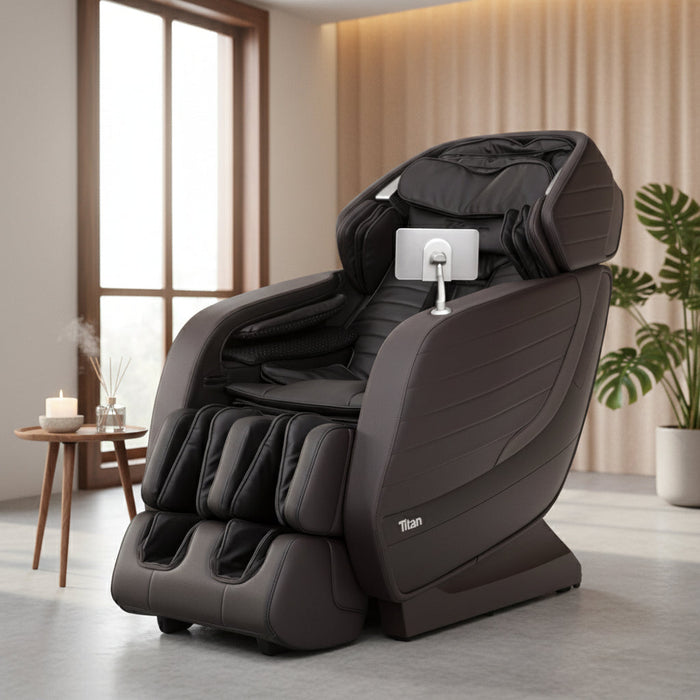
Titan Pro Jupiter LE Premium Massage Chair
Titan
3D L-track massage chair • 80
Best Price
$1,999
Frequently asked questions
What does "4D" mean on a massage chair?
A 1D roller moves up and down. 2D adds left-right. 3D adds depth (in and out from your back). 4D adds variable speed within a stroke, so the roller can linger or accelerate within a single pass. 4D feels closest to a human therapist; 3D is good enough for most users; 2D is firmly entry-level.
L-Track vs S-Track: which matters?
S-Track follows the natural S-curve of your spine from neck to lower back. L-Track extends that path under the seat to massage your glutes and hamstrings. L-Track is the modern standard at any price above $2,500 and the more useful of the two if you sit a lot.
Is a $10,000 chair worth it over a $3,500 chair?
Not for most people. The $3,500-$5,000 tier (Infinity IT-8500, mid-Osaki) gets you L-track, 3D rollers, body scan, heated lumbar, zero-gravity. The $10,000 tier adds 4D rollers, knee massage, calf kneading, larger touchscreen, and better build longevity. Worth it if you will use it daily for 5+ years.
Where do I put a massage chair? Footprint and recline space?
A typical full-size massage chair is about 60" deep when upright and 76-80" deep when fully reclined, with 30-32" of width. Most chairs need 4-6 inches of clearance behind for the L-track travel, though several models advertise "wall-hugger" zero-gravity that reduces that to ~2 inches.