Smart Scales & Body Composition
Smart scales measure more than weight. Bioelectric impedance (BIA) sends a small current through your feet to estimate body fat percentage, lean mass, water, and (on higher-end models) segmental composition: left leg vs right leg, torso vs arms.
The honest framing: home BIA scales are roughly ±3% accurate for body fat, but highly repeatable. Trends matter more than the absolute number.
Best Body Composition Scales of 2026
Our ranked picks with retailer prices compared side by side.
Showing 5 products
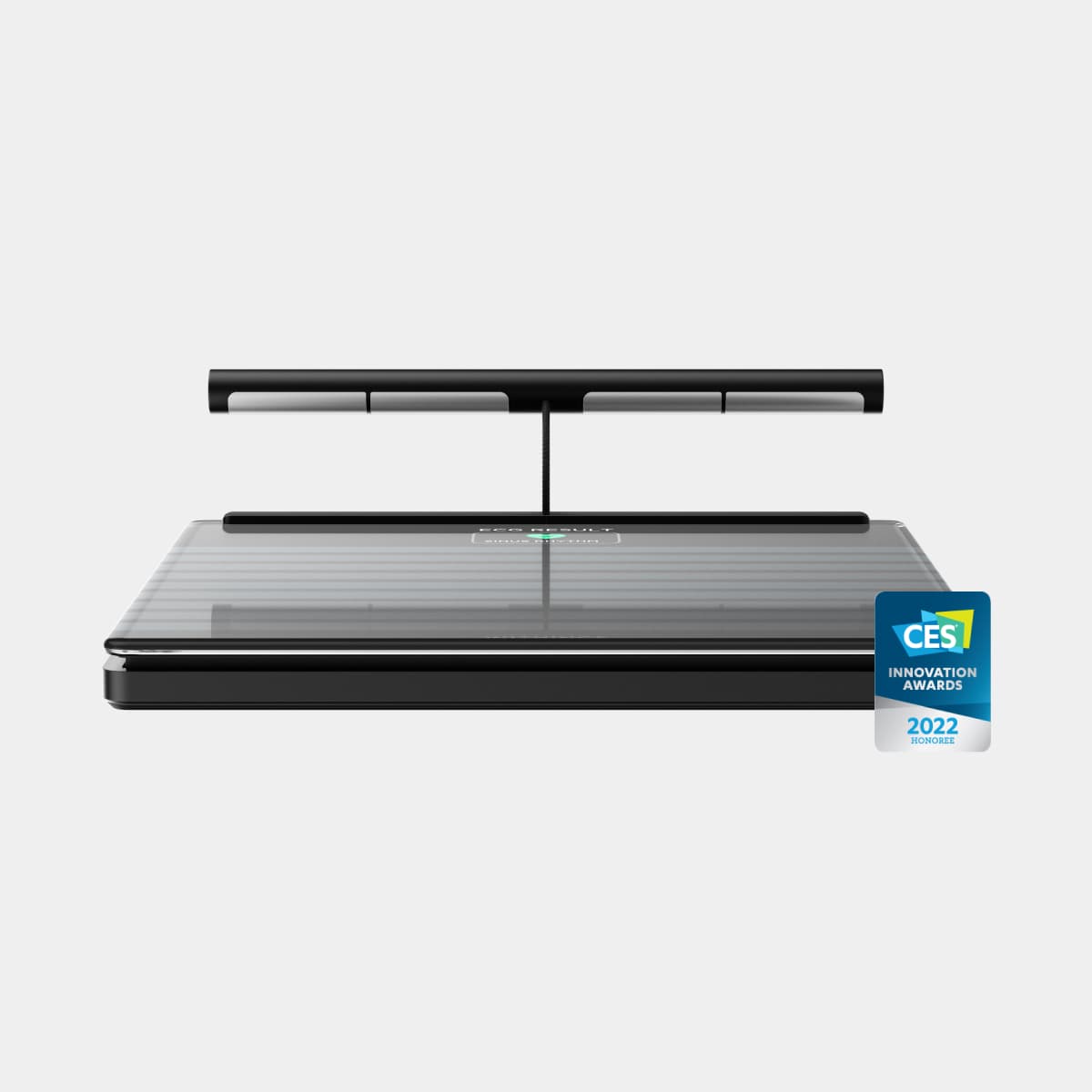
Withings Body Scan Connected Smart Scale
Withings
Smart Scale + 6-lead ECG • Weight, BF%, segmental composition, ECG, vascular age
Best Price
$399.95
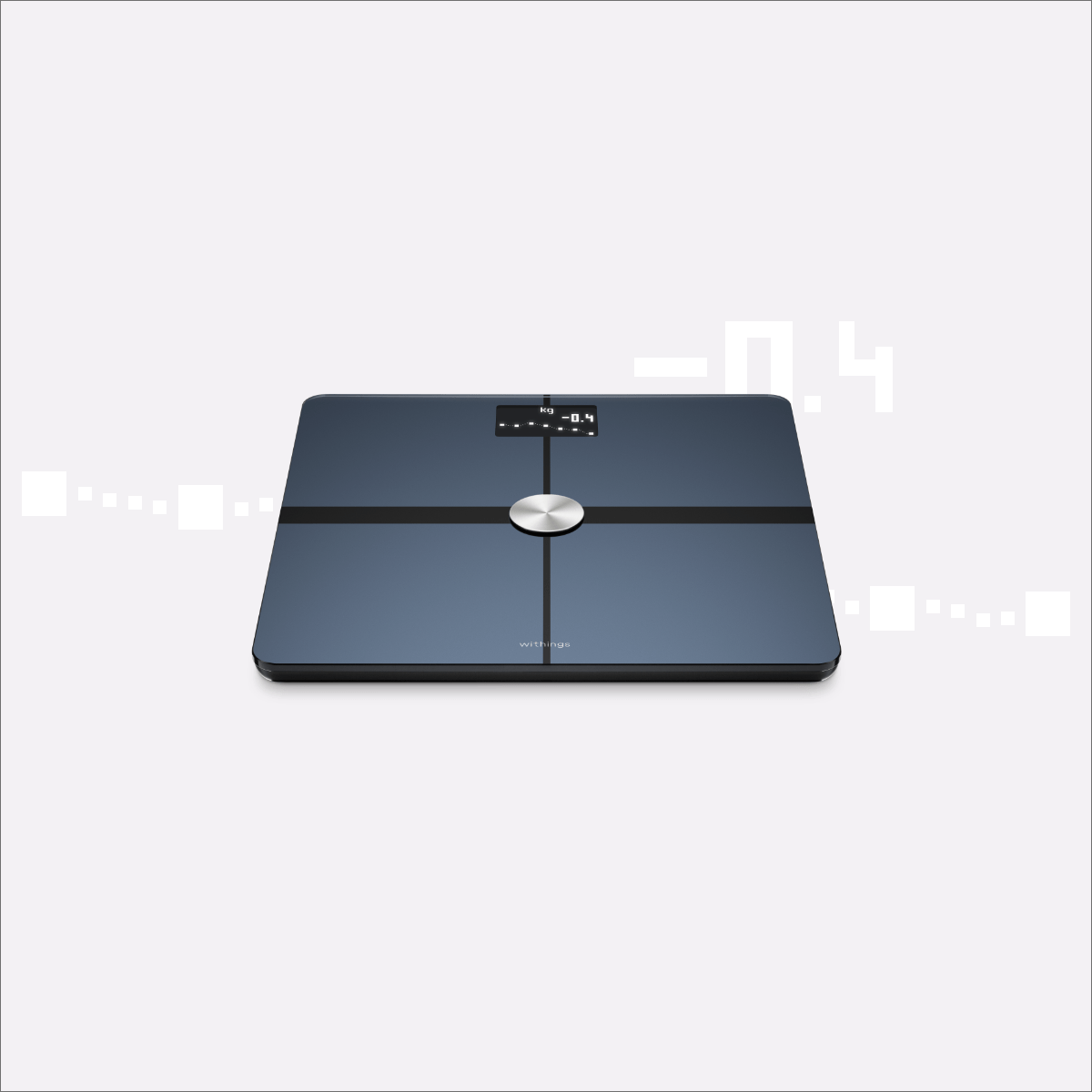
Withings Body+ Smart Scale
Withings
Smart Scale • Weight, BF%, water, muscle, bone
Best Price
$99.95
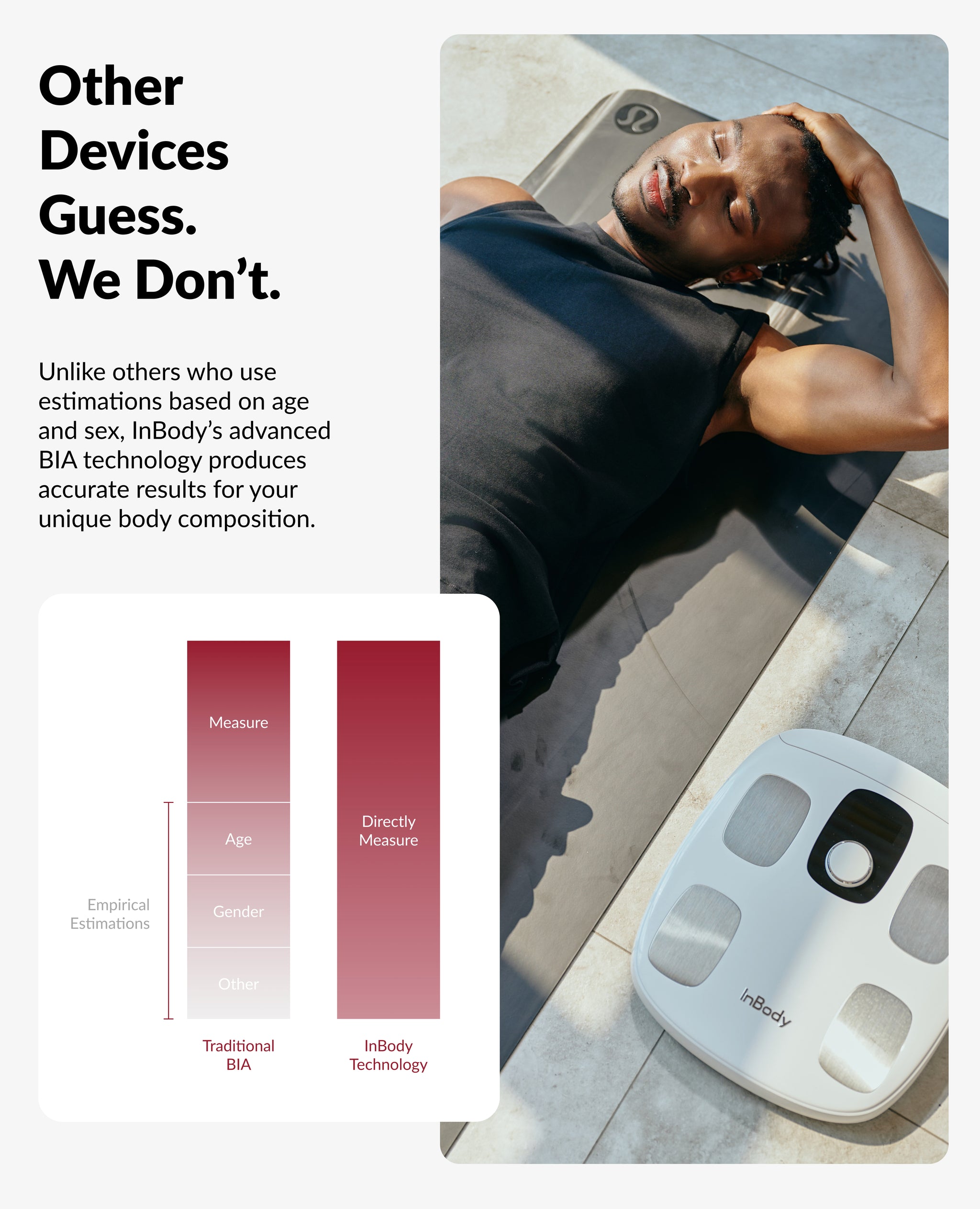
InBody H30 Body Composition Scale
InBody
Direct Segmental Multi-Frequency BIA • BF%, SMM, BMR, segmental analysis
Best Price
$299
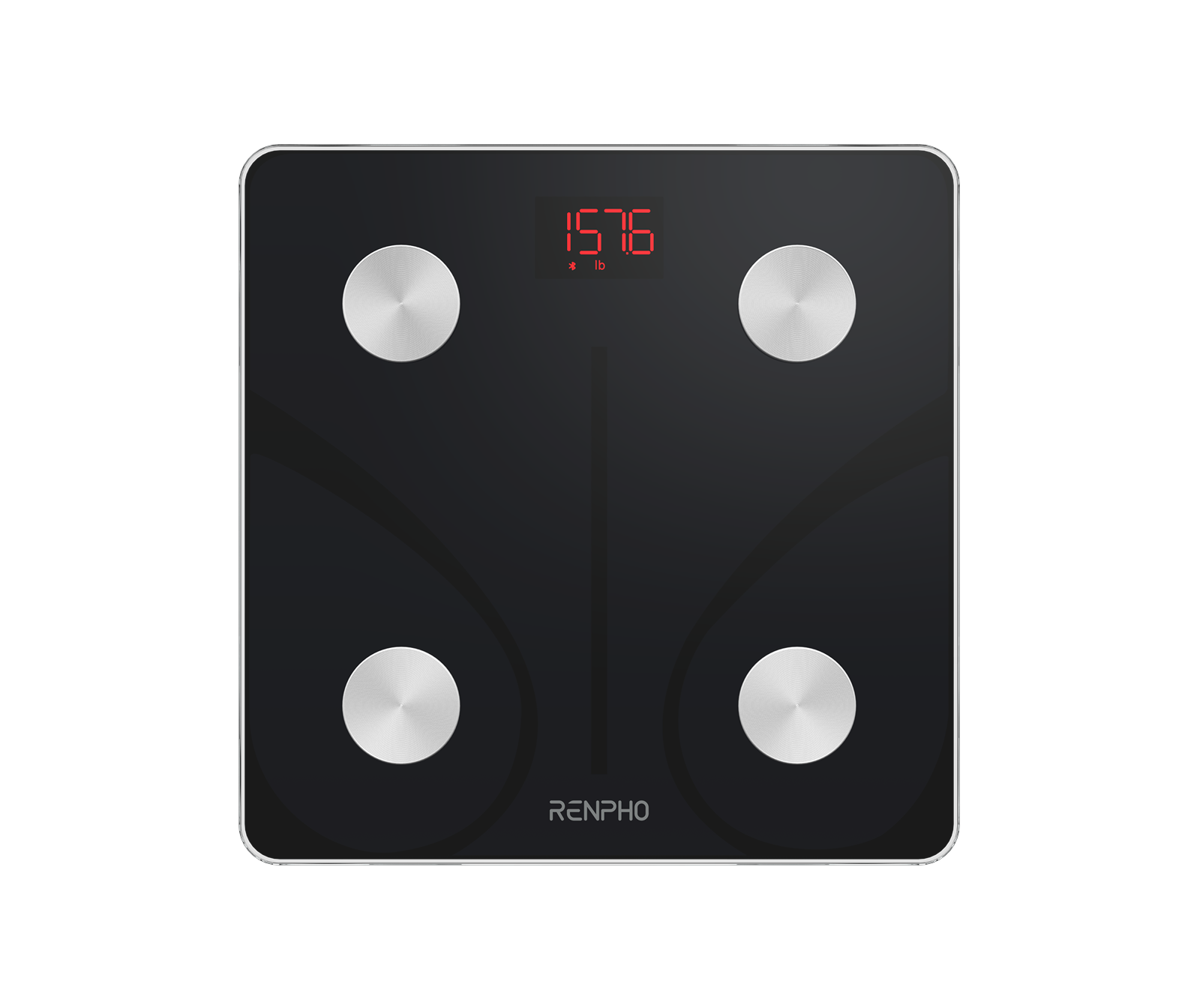
Renpho Elis 1 Smart Body Scale
Renpho
Bluetooth Smart Scale • 13 body composition metrics
Best Price
$24.99
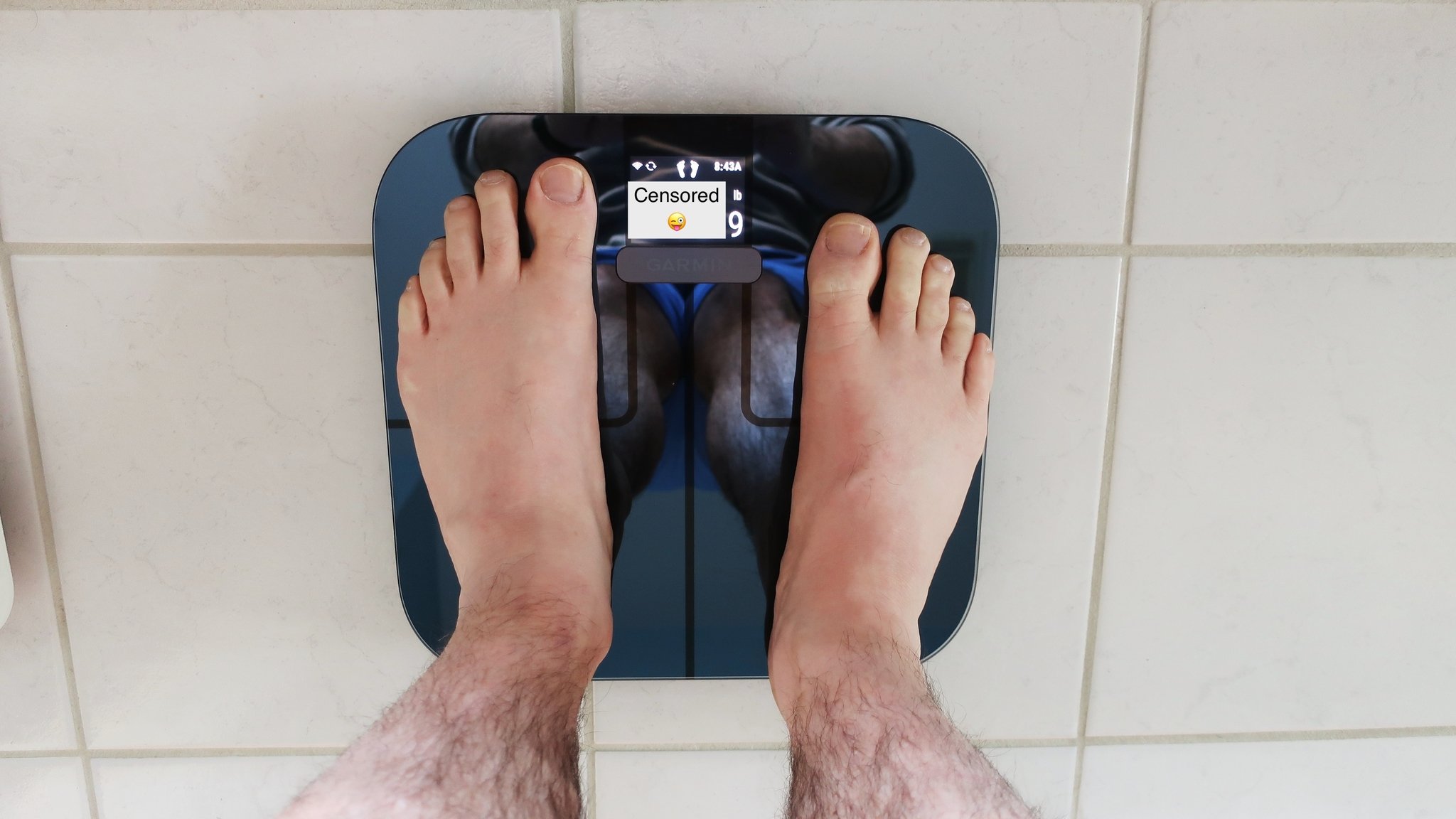
Garmin Index S2 Smart Scale
Garmin
Wi-Fi Smart Scale • Weight, BF%, BMI, water, muscle, bone
Best Price
$149.99
Frequently asked questions
How accurate are home smart scales for body fat percentage?
Most consumer BIA scales are accurate to within ±3-5% body fat compared to a DEXA scan, with newer multi-frequency scales (Withings Body Scan, InBody H30) closer to ±2%. Day-to-day measurements are highly repeatable if you measure at the same time, hydration level, and in similar conditions.
Withings Body Scan vs InBody H30: which is better?
Withings Body Scan adds a 6-lead ECG and vascular age estimate on top of body comp, syncs with Apple Health and Google Fit, and runs on Wi-Fi. InBody H30 uses direct segmental multi-frequency BIA (the same tech in gym-grade InBody machines) and tends to track closer to clinical reference. Withings wins on ecosystem; InBody wins on raw composition accuracy.
Are these scales safe with a pacemaker or during pregnancy?
No. BIA scales pass a small electrical current through your body. All major manufacturers (Withings, InBody, Renpho, Garmin) advise against use during pregnancy or with a pacemaker or implanted defibrillator. Use a regular weight-only scale instead.
Do I need the $400 scale or will the $30 one work?
For tracking weight and rough body-fat trends over months, a Renpho Elis ($28) does the job. Step up to Withings Body+ ($99) for app polish and multi-user support. Only buy the Body Scan ($399) or InBody H30 ($299) if you care about ECG, vascular age, or segmental data, otherwise the extra money is going to features you will not use.