Best Sleep Trackers of 2026
Sleep trackers split into two form factors: smart rings (Oura, Ultrahuman) that you wear on a finger, and wrist wearables (Whoop, Apple Watch) you already keep on. They all estimate sleep stages, heart-rate variability, and a daily readiness or recovery score, but they differ on accuracy, battery life, and — crucially — whether there is an ongoing subscription.
We scored each tracker on sleep and HRV accuracy, battery, app and ecosystem, and total cost including any membership. Below are the picks, a comparison table, and the questions buyers ask most.
Scores are editorial, set with our scoring methodology. Prices are compared across retailers and updated regularly. HealthIndex may earn a commission from links on this page, which never affects our scores or picks.
Our picks at a glance
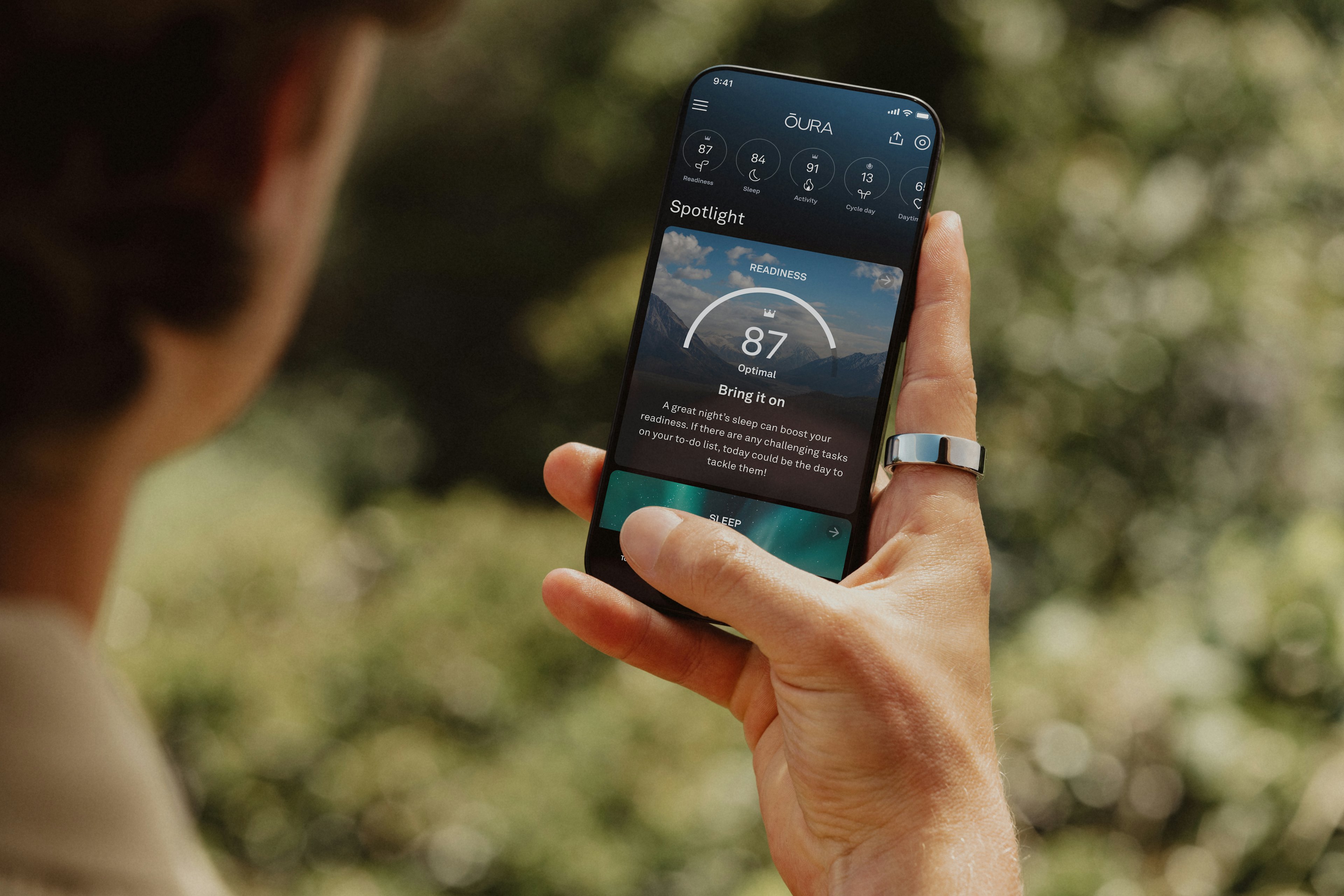
Score 9.3 · Oura
The most validated consumer sleep tracker, with the best sleep-staging accuracy, a week of battery, and a discreet ring form factor. The default recommendation if you mainly care about sleep.
- 7-day battery (vs 1-2 days for wrist wearables)
- Continuous body temperature (useful for cycle and illness)
- Comfortable to wear to bed
Watch out: Subscription ($5.99/mo) required for full analytics
Specification researched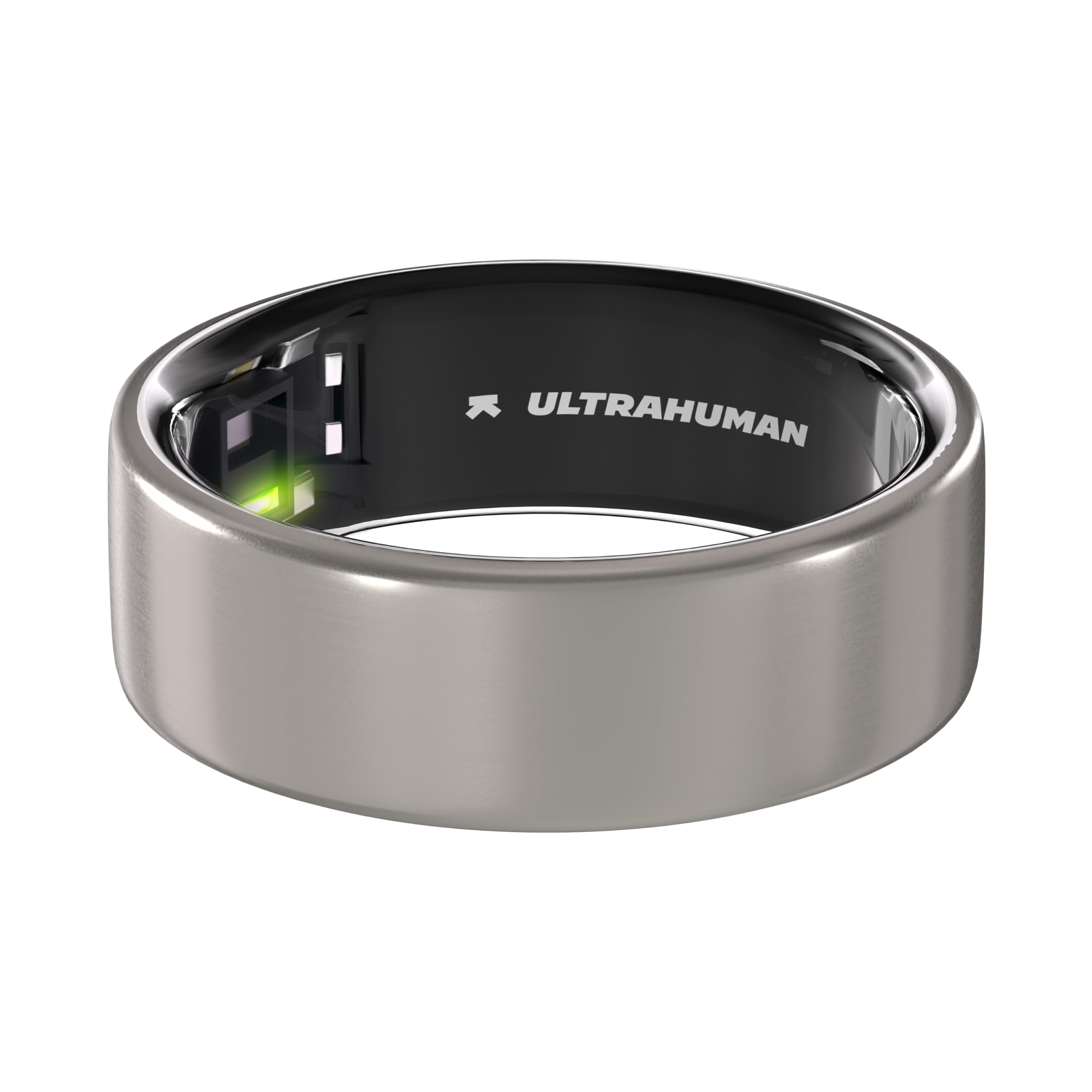
Score 8.3 · Ultrahuman
A capable smart ring with no monthly subscription, undercutting Oura on total cost. The pick if you want ring-based tracking without an ongoing fee.
- No subscription, own the data once you buy the ring
- Cheaper long-run than Oura subscription model
- AFib detection + cycle tracking
Watch out: Newer app + smaller ecosystem than Oura
Specification researched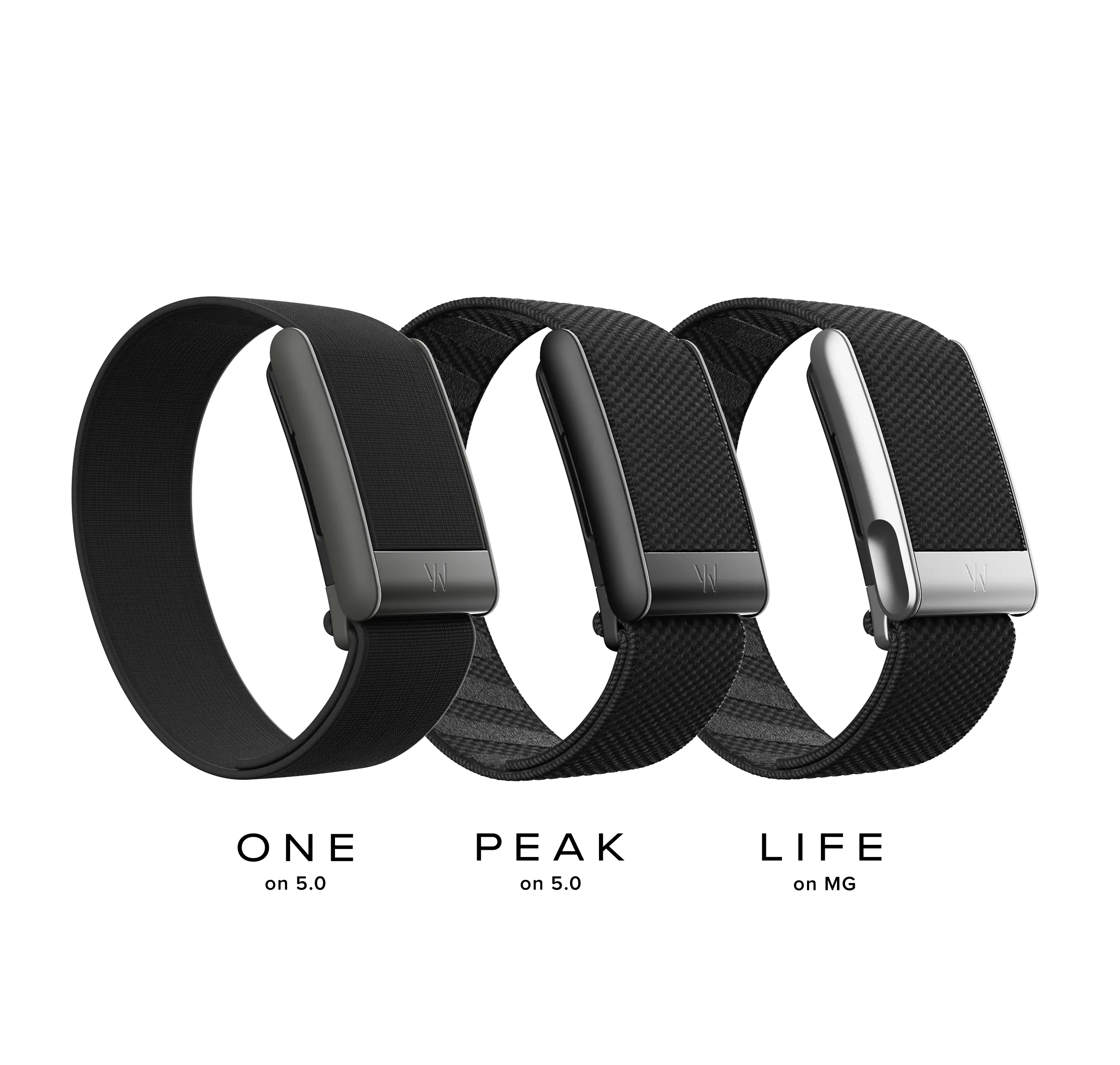
Score 7.5 · Whoop
The deepest strain, recovery, and training analytics, with a screen-free band. Subscription-only, but the best fit if training load matters as much as sleep.
- Adopted by pro sports teams + military
- No screen, encourages off-device focus
- Strain/recovery model is more sophisticated than most wearables
Watch out: Subscription-only, you never own the device
Specification researchedBest Sleep Trackers compared
| Product | Type | Battery | Score | Best price | Link |
|---|---|---|---|---|---|
| Oura Ring Gen 4Top Pick | Wearable Ring | 7 days | 9.3 | $349 | Check price at Oura |
| Ultrahuman Ring AIRTop Pick | Smart Ring | 6 days | 8.3 | $349 | Check price at Ultrahuman |
| WHOOP Membership (Strap 4.0 included) | Recovery + Sleep Wearable | — | 7.5 | $239 | Check price at Whoop |
| Apple Watch Ultra 2Best Value | Smartwatch | 36 hours | 8.8 | $799 | Check price at Apple |
Frequently asked questions
Ring or wrist tracker?
Rings (Oura, Ultrahuman) are smaller, more comfortable to sleep in, and tend to read overnight HRV and temperature cleanly. Wrist wearables (Whoop, Apple Watch) double as daytime devices and capture workouts and strain better. If sleep is the priority, a ring usually wins; if you want one device for training and sleep, a wrist wearable makes more sense.
Which has a subscription, and does it matter?
Oura charges a monthly membership on top of the ring; Whoop is subscription-only (the band is included). Ultrahuman has no required subscription, and Apple Watch needs none for its built-in tracking. Over a few years the membership cost can exceed the hardware, so factor it into the total when comparing.
How accurate are sleep trackers really?
No wrist or ring device matches a clinical sleep study, but the best ones (Oura especially) track sleep duration and stages well enough to spot trends and the effect of changes to your routine. Treat the nightly stage breakdown as directional and the week-over-week trends as the signal that actually matters.
Do I need one if I have an Apple Watch?
The Apple Watch tracks sleep and HRV reasonably well and needs no subscription, so it is a fine starting point if you already own one. A dedicated ring is worth it if you find the watch uncomfortable to sleep in or want more rigorous overnight HRV and readiness scoring.
Medical note. Consumer sleep trackers are wellness products, not medical devices, and this guide is informational, not medical advice. Their sleep stages, heart-rate variability, and readiness scores are estimates from indirect signals, not clinical measurements, and they cannot diagnose a sleep disorder. If you have persistent insomnia, loud snoring, daytime exhaustion, or suspect sleep apnea, see a qualified clinician rather than relying on a tracker score.