Best Recovery Compression Boots of 2026
Pneumatic compression boots squeeze your legs in timed sequences to flush fluid and speed recovery. They run from about $380 for a portable single-zone system to over $1,100 for a multi-zone pro setup. The variables that matter are the number of zones, maximum pressure, and whether the controller is built into the boots or a separate unit.
We scored every system on zone count, pressure range, app and preset control, portability, and price across retailers. Below are the picks, a comparison table, and the questions athletes ask before buying.
Scores are editorial, set with our scoring methodology. Prices are compared across retailers and updated regularly. HealthIndex may earn a commission from links on this page, which never affects our scores or picks.
Our picks at a glance
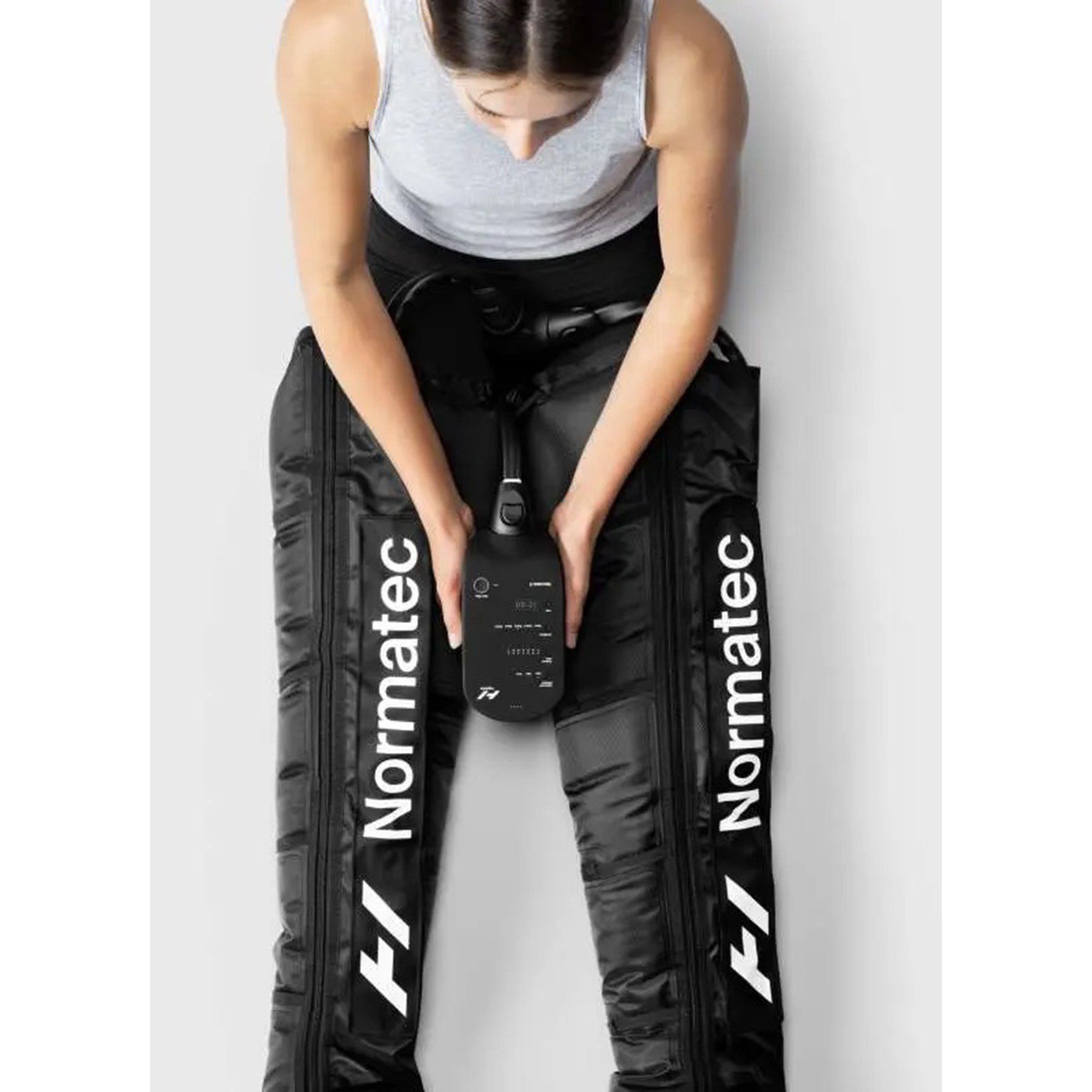
Score 9.4 · Normatec
The recovery-boot standard used across pro sports: smooth seven-zone sequencing, refined app control, and the most trusted brand in the category.
- 7-zone sequential compression (pro-grade pattern)
- Up to 110 mmHg pressure
- App-connected with ZeroG pad
Watch out: Legs-only, arms and hips sold as separate attachments
Specification researched
Score 8.1 · Rapid Reboot
Higher peak pressure than the premium pick at a meaningfully lower price. Fewer zones, but the core flushing benefit is all there.
- Half the price of Normatec 3 Legs at similar feature set
- 4-zone sequential compression covers the main muscle groups
- Simpler interface, no app dependency, just buttons
Watch out: 4 zones vs Normatec's 7, less granular massage pattern
Specification researched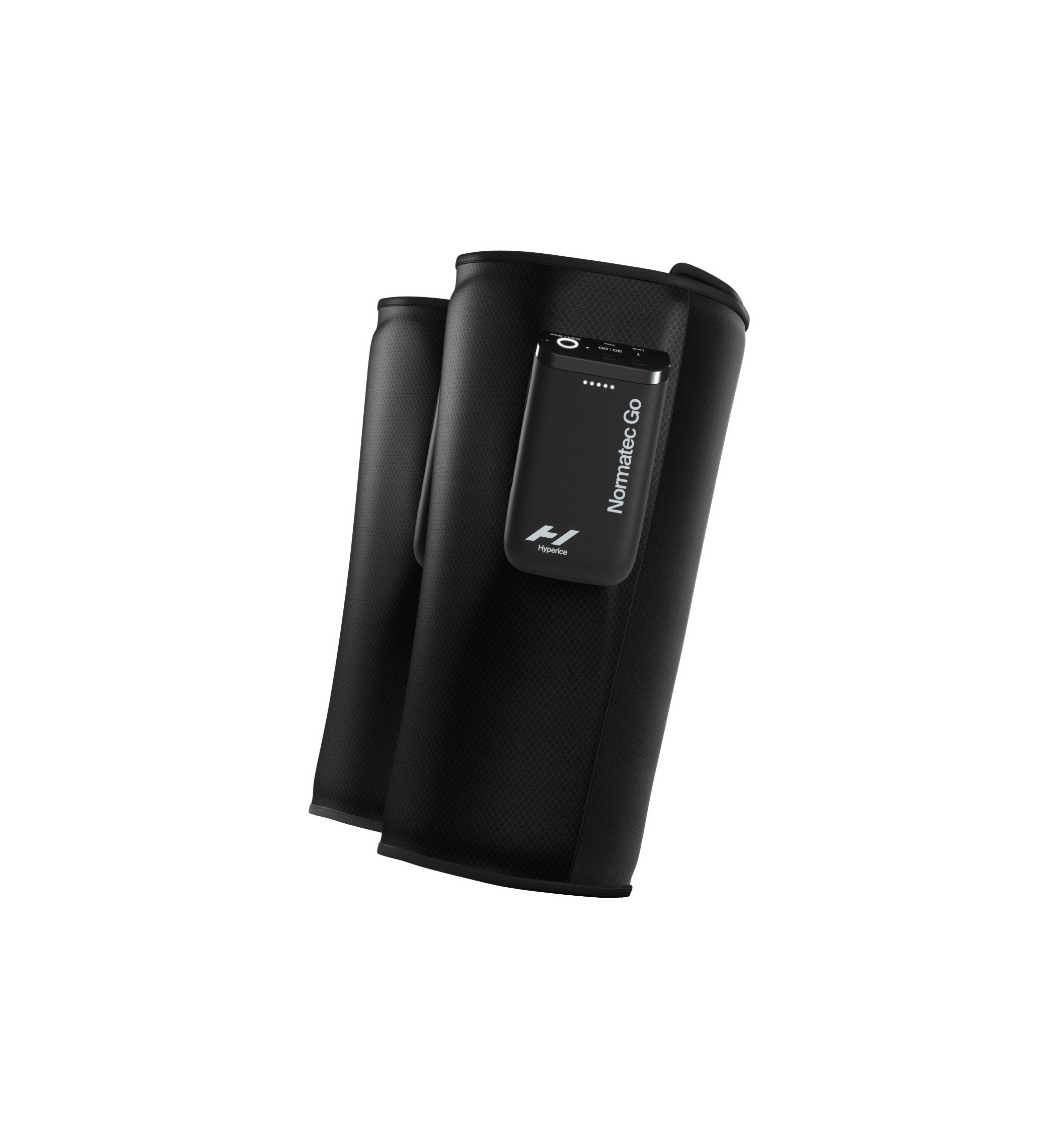
Score 8.4 · Hyperice
Untethered calf-sized units with the controller built in, the right pick for travel and gym bags rather than a fixed recovery room.
- Single-leg portable form, fits in a gym bag (1.2 lbs)
- Pressure range (40-200 mmHg) covers light flushing to deep compression
- Bluetooth-connected, controllable from the Hyperice app
Watch out: Single leg at a time, doubles session time vs full boots
Specification researchedBest Compression Boots compared
| Product | Zones | Max pressure | Score | Best price | Link |
|---|---|---|---|---|---|
| Normatec 3 Legs Compression SystemTop Pick | 7 zones | Up to 110 mmHg | 9.4 | $899 | Check price at Normatec |
| Rapid Reboot Classic Compression BootsBest Value | 4 zones | Up to 200 mmHg | 8.1 | $649 | Check price at Rapidreboot |
| Hyperice Normatec GoBest for Travel | 3 gapless zones | 7 levels (40-200 mmHg) | 8.4 | $379 | Check price at Hyperice |
| Normatec Arm AttachmentsTop Pick | 7 zones | Up to 110 mmHg | 9.2 | $400 | Check price at Normatec |
| Therabody JetBoots PRO PlusTop Pick | — | 20-100 mmHg adjustable | 9.2 | $1,149.99 | Check price at Therabody |
| Therabody JetBoots PrimeTop Pick | 4 overlapping air chambers | 25-100 mmHg in 25 mmHg steps | 9.1 | $549.99 | Check price at Therabody |
Frequently asked questions
How many zones do I actually need?
Zones are the independently inflating chambers along the boot. More zones (seven vs four) give a smoother, more sequential "milking" wave from ankle to hip, which feels better and targets the full leg. Four zones still deliver the core recovery benefit at a lower price. Seven is nicer; four is sufficient.
Does higher pressure mean better recovery?
Up to a point. Most systems peak between 100 and 200 mmHg. Higher pressure is not automatically better; comfort and consistent use matter more than a high number you never turn up to. Look for a wide adjustable range so you can dial in a pressure you will actually use regularly.
Tethered system or portable boots?
Tethered systems connect the boots to a separate control unit, which allows higher pressure and more zones but stays in one room. Portable boots build the pump into the boot itself for travel and gym use, trading some power and zone count for freedom. Pick portable only if you genuinely need to move them around.
When should I use compression boots?
Most users run a 20 to 30 minute session after training or in the evening. They are also popular on rest days and travel days for general circulation. They complement, rather than replace, sleep and nutrition as recovery tools.
Medical note. Recovery compression boots are wellness products, not medical compression devices, and this guide is informational, not medical advice. Intermittent pneumatic compression is not appropriate for everyone: it is generally avoided with an existing or suspected blood clot, active infection, open wounds, or severe peripheral neuropathy. If you have a circulatory or heart condition, are pregnant, or are recovering from injury or surgery, consult a qualified clinician before using them.
Keep reading
Compression Therapy Systems: A Buyer's Guide →